
The first examination you will receive is the Comprehensive Primary Care Examination. In this examination, your current vision and eye health status will be thoroughly evaluated. This information will be used during future eye examinations, and will enable your clinician to get a more accurate view of how your eyes may be changing over time. Depending on your specific needs, you may be referred to one of the specialty services. Below are just a few of the specialty services offered at UMSL Eye Care.
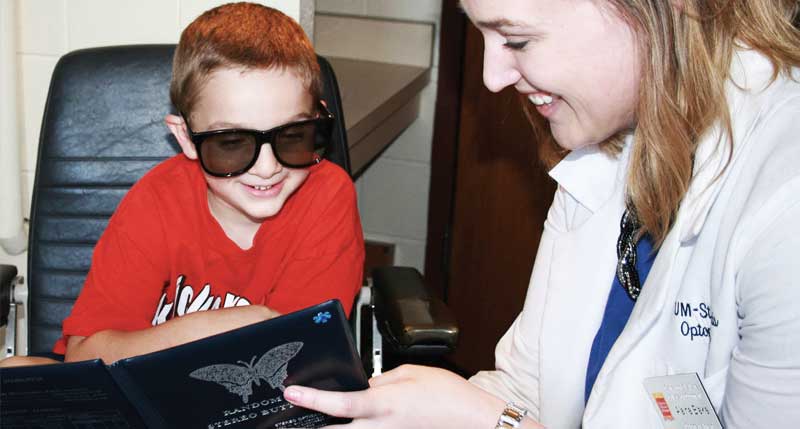
Pediatrics and Binocular Vision
The Pediatric/Binocular Vision service is devoted to helping patients who have problems with the eyes working together, such as lazy eye (amblyopia), crossed eyes (strabismus), or other eye-muscle coordination difficulties. The patient’s problem will be thoroughly evaluated, and if indicated, a treatment program of eye exercises (orthoptics) or eyeglasses may be prescribed. Our faculty in this area also evaluate children with reading problems and learning difficulties that may be related to a vision disorder. They work closely with teachers, therapists, and others to help overcome these conditions.
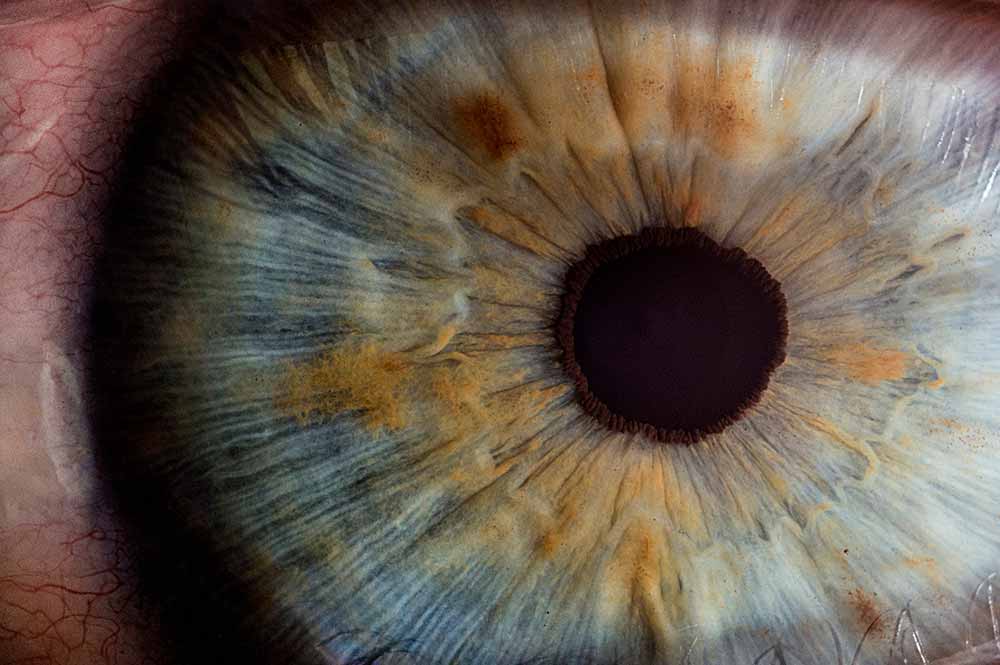
Rehabilitative Optometry
Patients who have experienced a permanent loss of vision have special needs. This service helps patients maximize their remaining vision through specially designed optical devices, or by recommending environmental modifications (such as positioning of lights, etc.), and through mobility training, all of which may dramatically improve the low-vision patient’s ability to lead a fuller, more productive life.
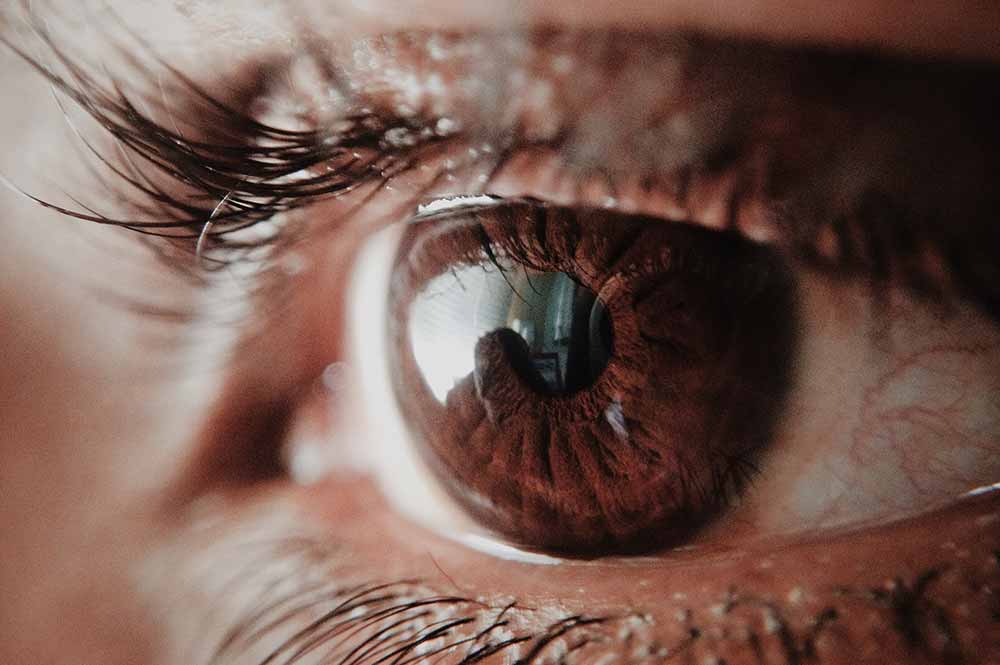
Eye Health Management
Patients with known or suspected eye disease, for example, cataracts, glaucoma, retinal degeneration, diabetic retinopathy, etc., will be followed in our Eye Health Management Service. It is important that these patients receive regular examinations at the recommended time intervals. Many times, ocular diseases progress slowly without producing warning signs until irreparable damage has been done. Prompt diagnosis and management is essential, and can help prevent the progression of many disorders. Patients seen in our Eye Health Management Service will be under the direct supervision of a licensed optometrist with special expertise in eye diseases and, when deemed appropriate, will also be seen by an ophthalmologist, or eye surgeon.
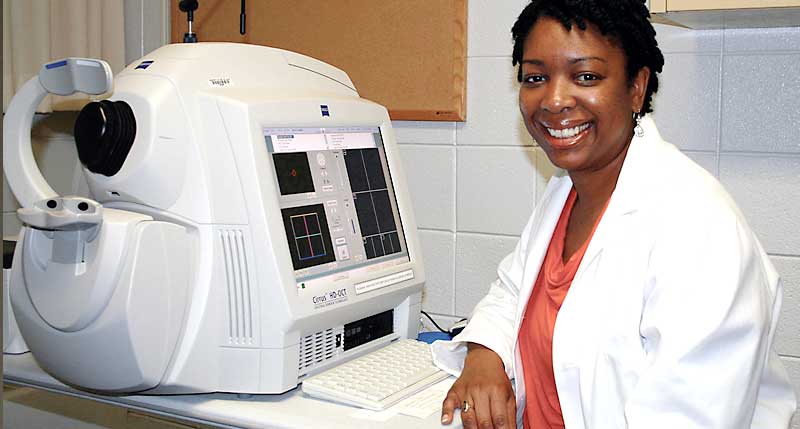
Specialty Contact Lenses
Contact lenses are medical devices typically prescribed to correct refractive error such as nearsightedness, farsightedness, and astigmatism. For patients with certain ocular conditions, such as an irregular or diseased cornea, the ability to successfully wear glasses or mass-produced contact lenses is compromised. Fortunately, in these cases specialty contact lenses including gas permeable (hard) lenses, scleral lenses, or hybrid lenses (hard and soft combination) are often able to provide optimal acuity and visual comfort. In these cases, contact lenses may be considered medically necessary.
Eyeglasses & Contact Lenses
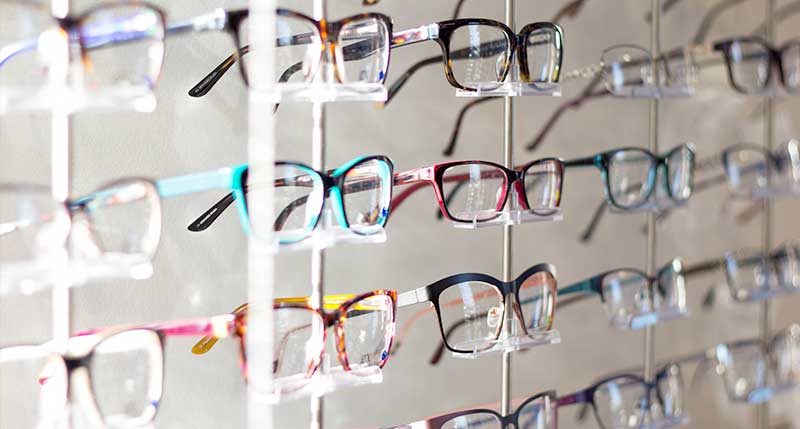
All of our UMSL Eye Care locations offer a wide selection of today’s designer brand eyeglasses. Find the frames that are right for you and customize them through our selection of specialty lenses, tints and other accessories.
Many people prefer wearing contact lenses, or discover that they can see better with contact lenses than they can with eyeglasses. For some conditions, contact lenses are especially effective for vision correction. That’s why we offer all types of contact lenses: from soft lenses to rigid gas permeable lenses; from bifocal lenses to monovision lenses; and from clear lenses to a wide variety of tinted lenses. Our clinical faculty are experts in the proper fitting of contact lenses and will work with you to ensure your lenses provide optimal vision and comfort. We frequently are able to effectively prescribe contact lenses for patients who were not successful contact lens wearers in the past, and for patients who would otherwise wear bifocal eyeglasses.